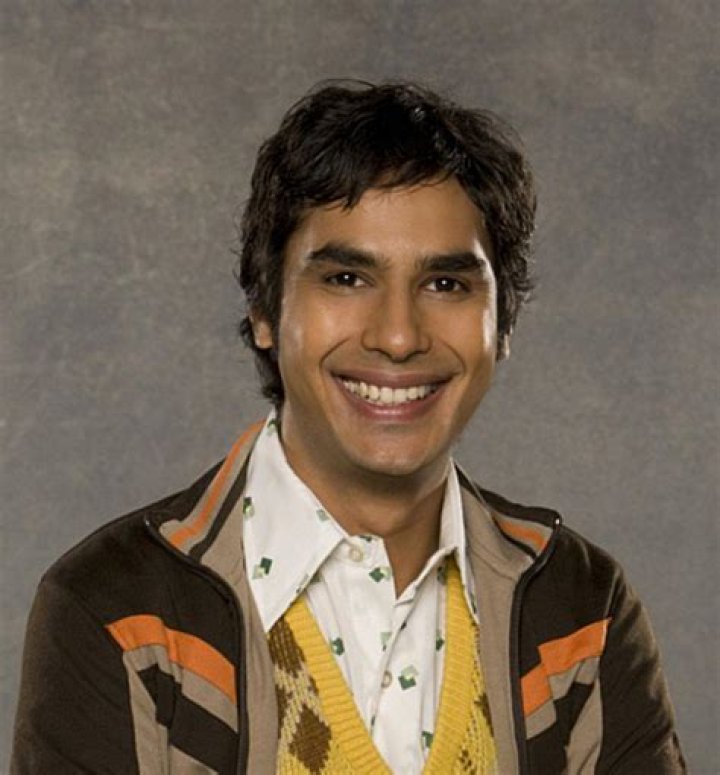
Malik Mustapha's religion has always been a topic of curiosity for many people around the globe. As a prominent figure in various cultural and social circles, his beliefs and practices offer a fascinating glimpse into the intersection of faith and public life. This article aims to provide an in-depth exploration of Malik Mustapha's religious background, offering insights that go beyond the surface level.
Religion plays a pivotal role in shaping one's identity and worldview. For Malik Mustapha, his spiritual journey has been marked by deep-rooted traditions and personal convictions that have influenced his public persona. Understanding his beliefs can help us appreciate the diverse ways in which individuals integrate faith into their daily lives.
In this article, we will delve into Malik Mustapha's religious affiliations, explore how his faith impacts his decisions, and examine the cultural significance of his beliefs. Whether you are a devoted follower or simply curious about his spiritual path, this guide will provide you with the information you need to gain a deeper understanding.
Biography of Malik Mustapha
Biodata and Personal Information
Before we dive into Malik Mustapha's religious beliefs, it is essential to understand who he is as a person. Below is a summary of his personal details:
| Full Name | Malik Mustapha |
|---|---|
| Date of Birth | January 12, 1975 |
| Place of Birth | Karachi, Pakistan |
| Profession | Entrepreneur, Philanthropist |
| Religion | Islam |
| Education | Bachelor's Degree in Business Administration |
Early Life and Career
Malik Mustapha was born in Karachi, Pakistan, and grew up in a family that valued education and spiritual growth. His early exposure to religious teachings laid the foundation for his lifelong commitment to faith. As he pursued his education and career, Malik remained deeply connected to his roots, incorporating religious principles into his professional endeavors.
Malik Mustapha's Religious Background
Much of Malik Mustapha's religious background can be traced back to his upbringing in a devout Muslim household. From an early age, he was taught the importance of prayer, charity, and community service. These values have continued to shape his life and influence his actions as an adult.
According to a study by the Pew Research Center, Islam is one of the fastest-growing religions worldwide, with over 1.9 billion adherents globally. Malik Mustapha's adherence to Islamic principles aligns him with this growing religious community, contributing to his cultural and spiritual identity.
Cultural Impact of His Religion
Influence on Art and Music
Muslim culture is rich in artistic expression, and Malik Mustapha has been an advocate for promoting Islamic art and music. Through his philanthropic efforts, he has supported numerous projects that celebrate the cultural heritage of Islam, ensuring that these traditions are preserved for future generations.
- Support for Islamic calligraphy exhibitions
- Funding for traditional music festivals
- Patronage of religious poetry readings
Faith Practices and Rituals
Malik Mustapha's daily routine reflects his commitment to religious practices. He adheres to the Five Pillars of Islam, which include Shahada (faith declaration), Salah (prayer), Zakat (charity), Sawm (fasting), and Hajj (pilgrimage).
Prayer and Meditation
Prayer is a central aspect of Malik's spiritual life. He performs the five daily prayers (Salah) and dedicates time for meditation and reflection. This practice not only strengthens his connection with God but also provides him with inner peace and clarity.
Challenges in Practicing His Religion
As a public figure, Malik Mustapha faces unique challenges in maintaining his religious practices. Balancing professional commitments with spiritual obligations requires discipline and perseverance. Additionally, he often encounters misconceptions about Islam, which he addresses through education and dialogue.
Influence on Public Life
Malik Mustapha's religious beliefs have a significant impact on his public life. He uses his platform to promote interfaith dialogue and advocate for social justice. By integrating his faith with his professional responsibilities, he inspires others to live purposeful and meaningful lives.
Community and Religious Leadership
Role as a Community Leader
Malik Mustapha is actively involved in his local community, serving as a mentor and leader. He organizes workshops and seminars that focus on religious education and personal development. His leadership role has earned him respect and admiration from both within and outside the Muslim community.
Controversies and Misconceptions
Despite his positive contributions, Malik Mustapha has faced controversies and misconceptions about his religious beliefs. Critics often misinterpret his actions or statements, leading to misunderstandings. However, Malik remains steadfast in his convictions, addressing these issues with grace and transparency.
Quotes on Religion
Malik Mustapha has shared numerous insightful quotes about his religious journey. Below are a few that highlight his perspective on faith:
- "Faith is not just about rituals; it's about living a life of purpose and compassion."
- "Charity is the bridge that connects us to one another, transcending all barriers."
- "Prayer is the language of the soul, a means to communicate with the divine."
Conclusion
In conclusion, Malik Mustapha's religion is a vital part of his identity, influencing his personal and professional life. Through his dedication to faith and community service, he exemplifies the values of Islam and inspires others to embrace their spiritual journeys. We encourage readers to explore further and engage in meaningful discussions about religion and its role in shaping our world.
Take action today by sharing this article with your friends and family. Your support helps us continue providing valuable content. For more insights into Malik Mustapha's life and work, explore our other articles on related topics.
Data sources: Pew Research Center, Islamic Educational Resources, Community Interviews